
Collapsible and light
At under 6 kg, the C160 is easy to carry, set up, and move between observing spots.
Meridian C160
And you can build it yourself!
Get the Assembly Kit and have a working telescope in a couple of hours. Choose the 3D Printing Kit to print the parts yourself and save money.
You can even build it entirely yourself! The STLs are free.
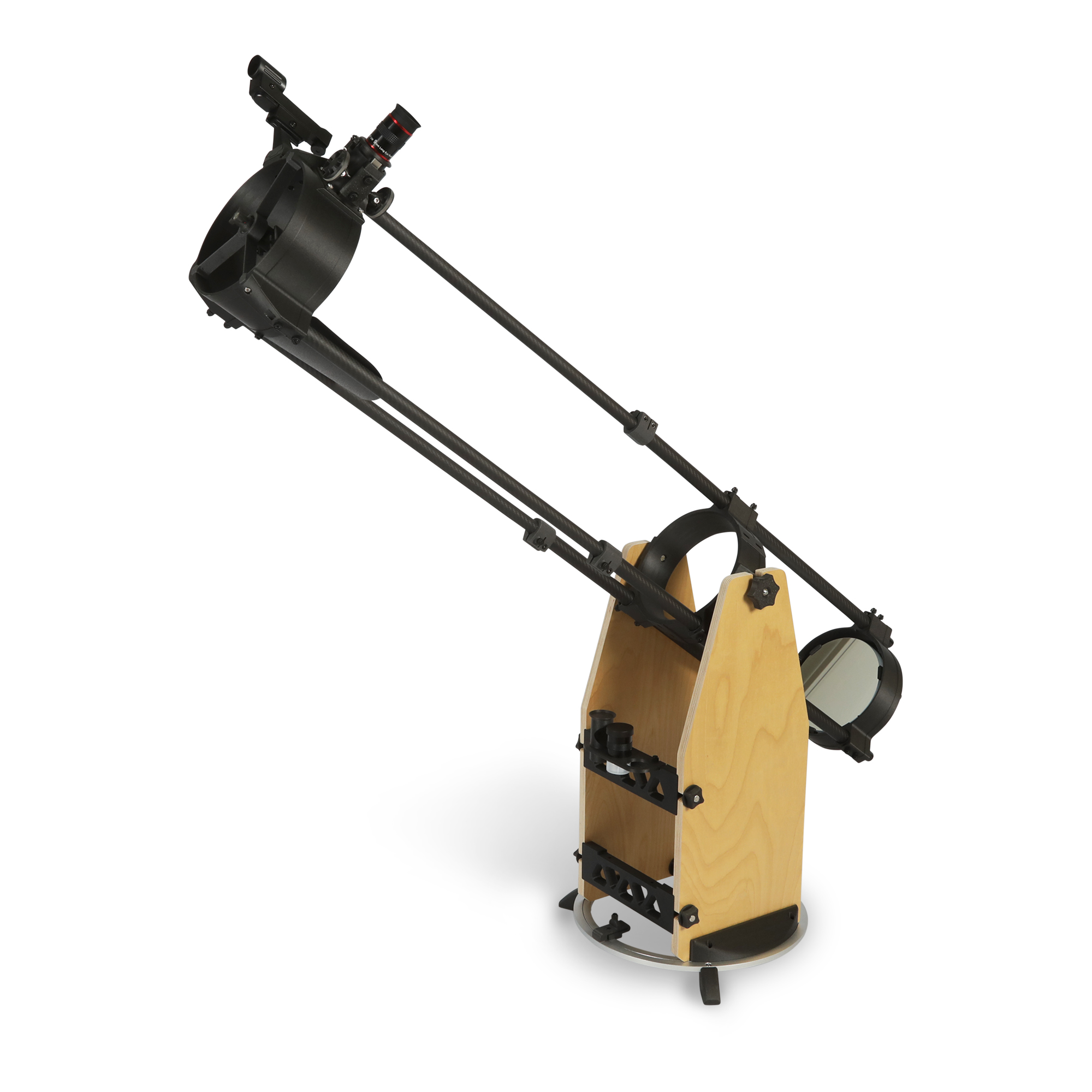
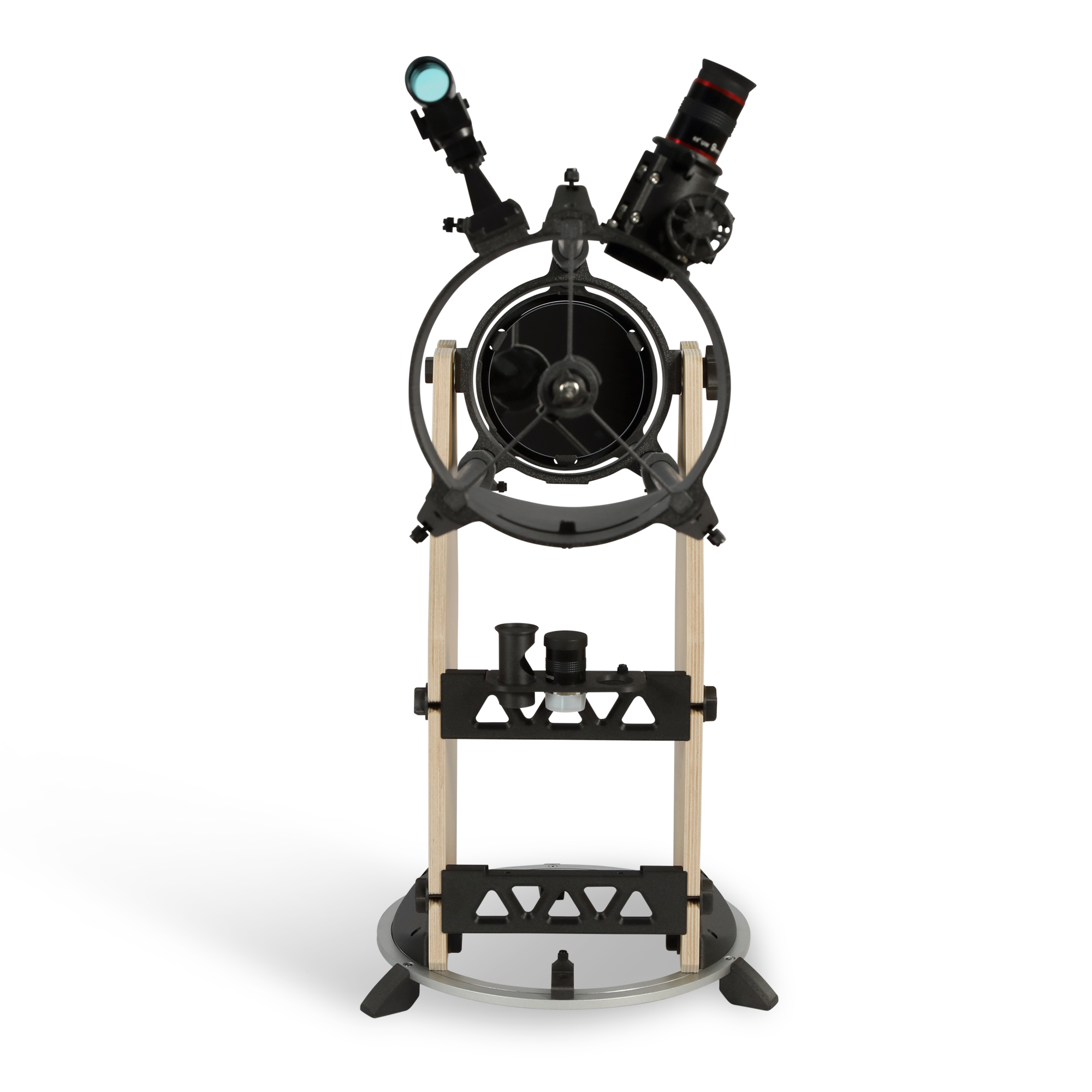
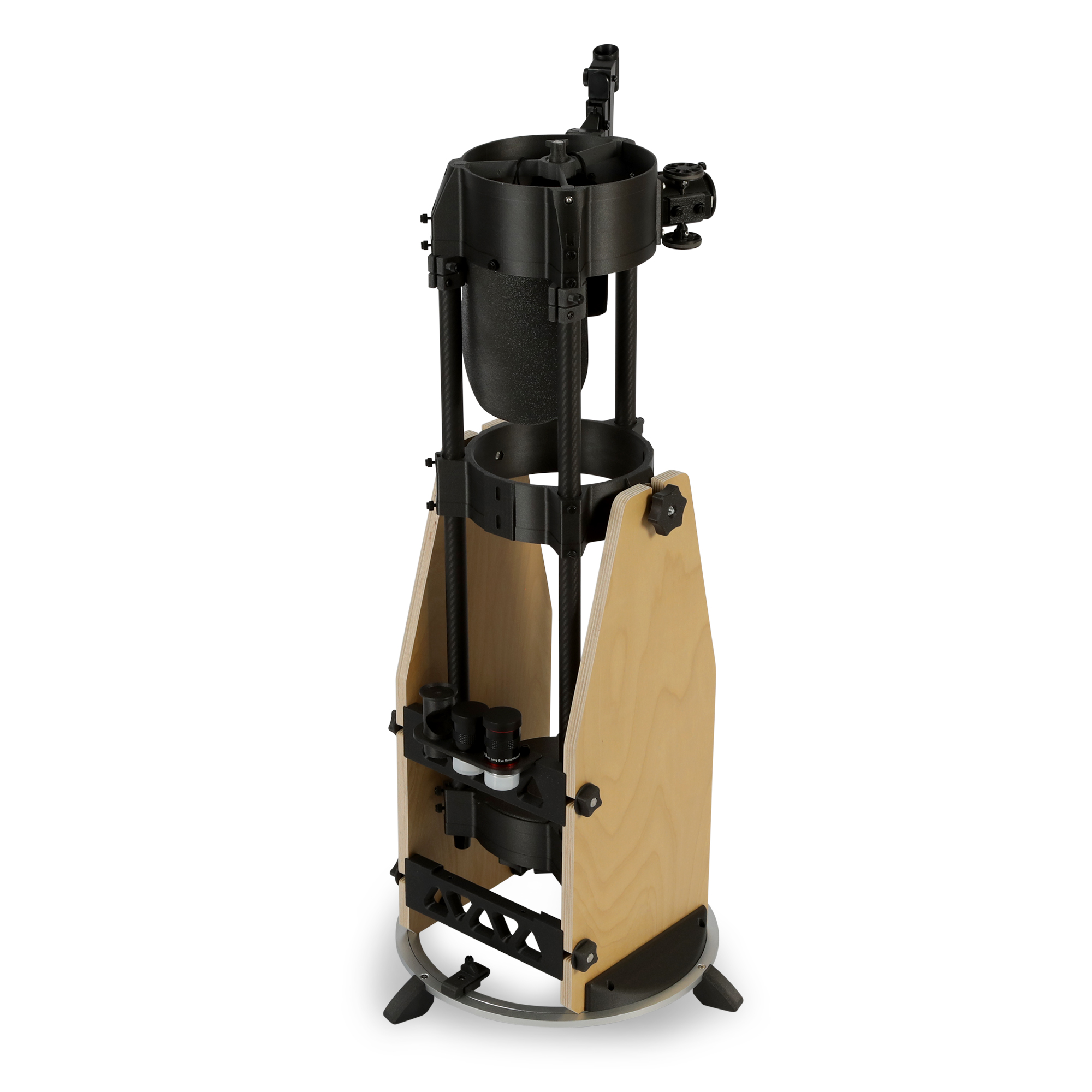
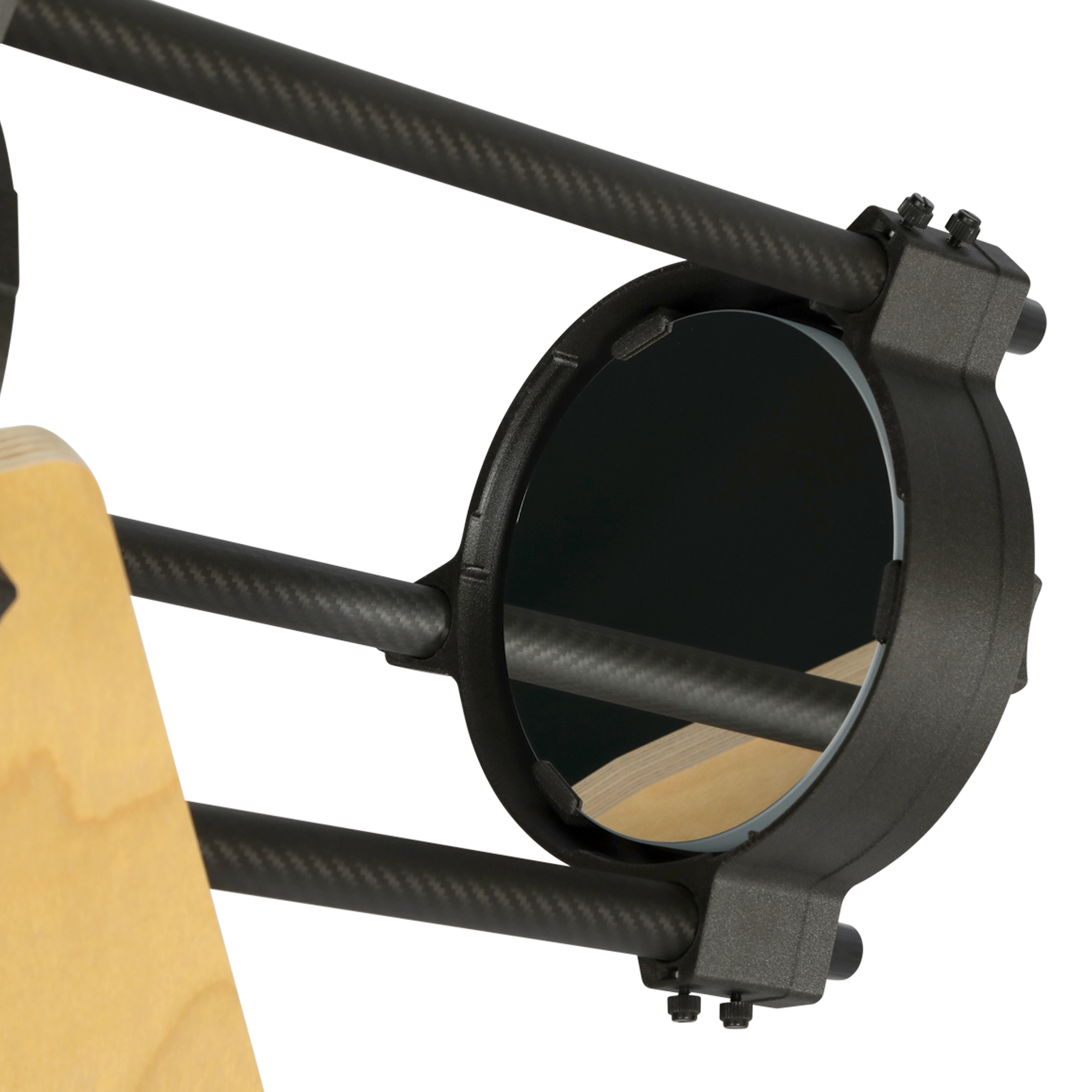
At under 6 kg, the C160 is easy to carry, set up, and move between observing spots.
Break it down and pack it into a suitcase or duffle bag for easy transport.
Align both the primary and secondary mirrors by hand. No hex keys or extra tools.
A unique Betty-style secondary cell allows super-fast collimation.
Smooth focus control without the backlash of a rack-and-pinion focuser.
Fine-tune friction on both axes to get the feel you prefer.
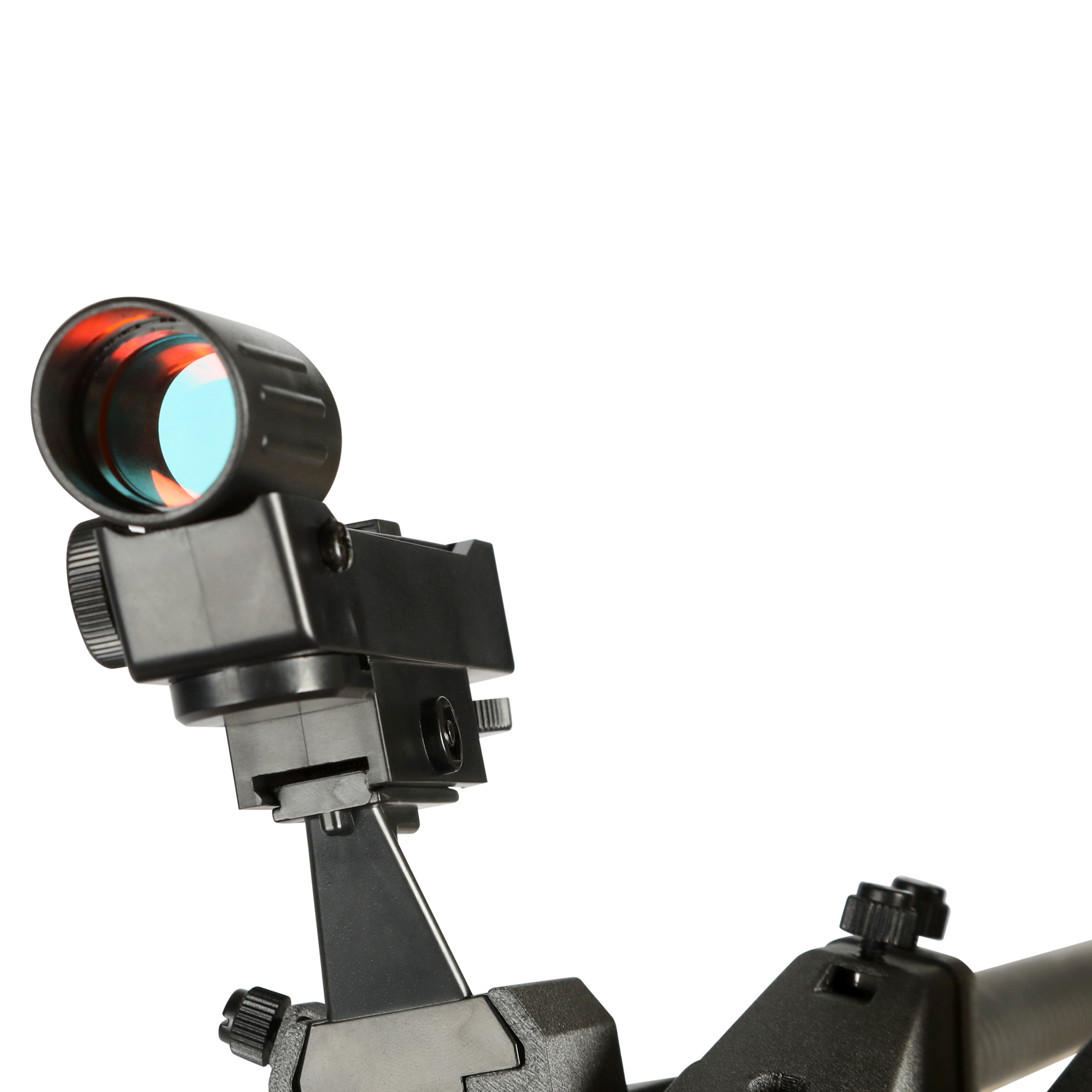
A red-dot finder helps you get on target quickly.
Multiple mounting interfaces let you add your own accessories and upgrades.
Off-the-shelf components make replacement parts and repairs straightforward.
Print the complete set of parts from a single standard 1 kg filament roll.
Example imagery — future images in this carousel will be taken through the Meridian C160.
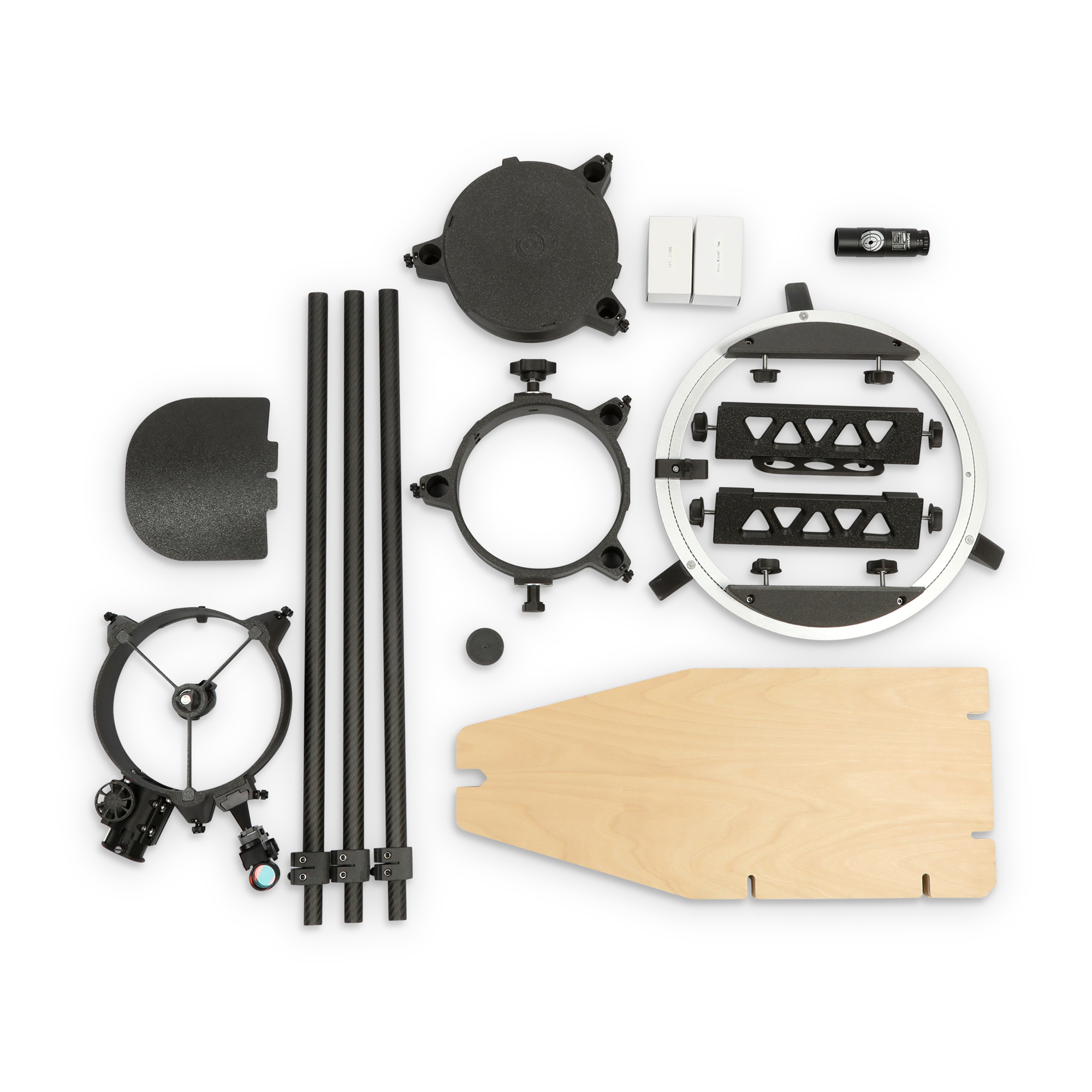
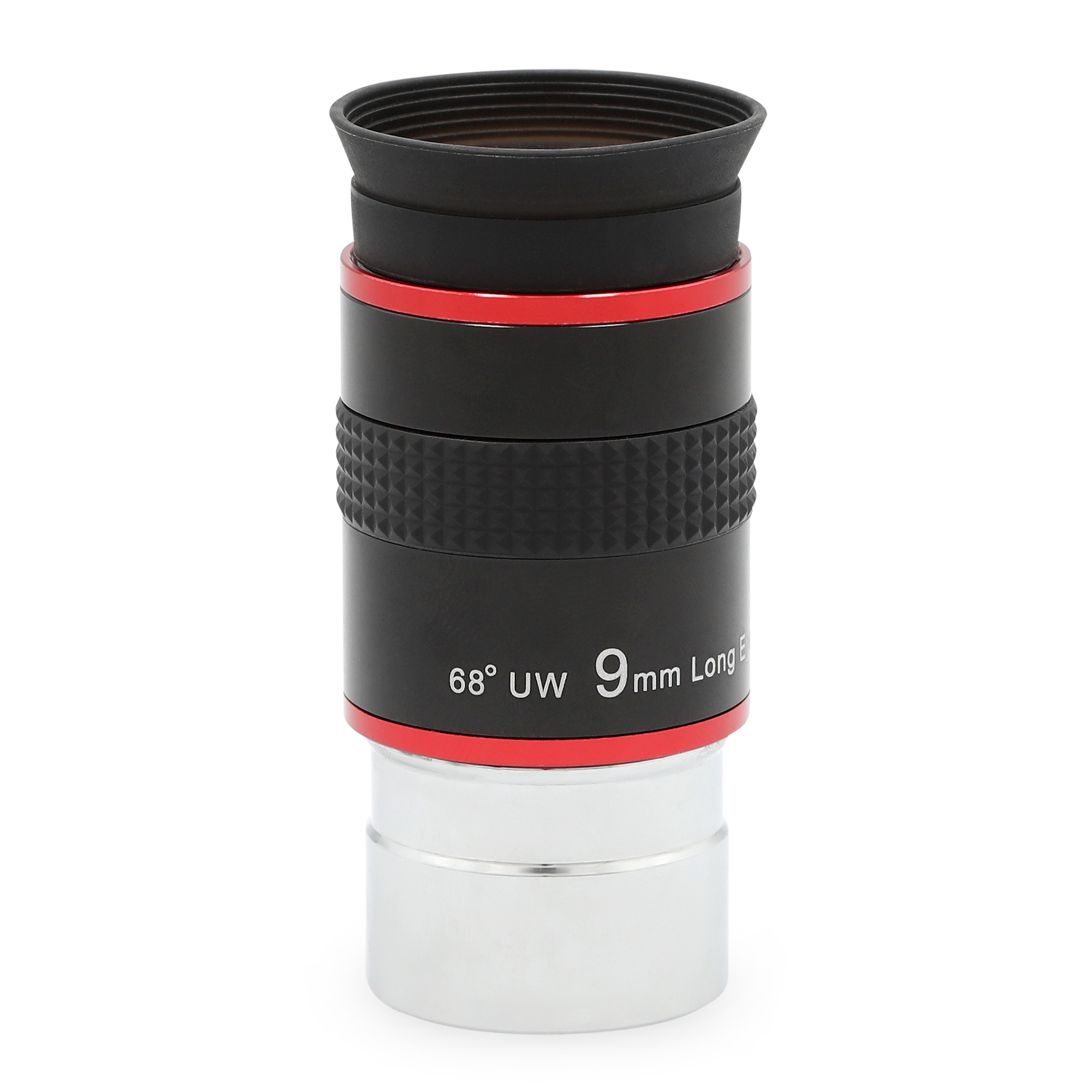
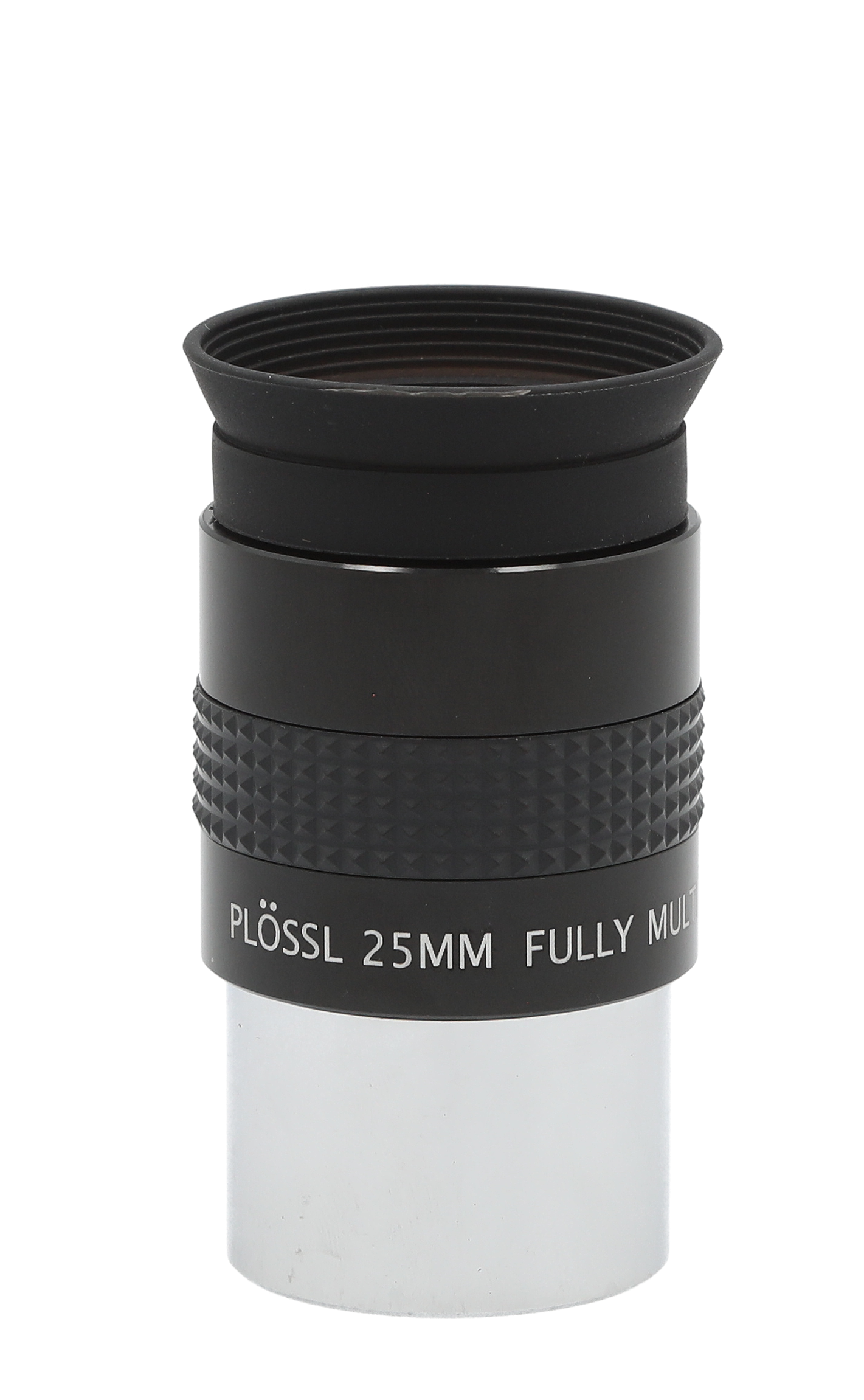
The 3D Printing Kit includes everything you need to build and use the telescope, just print the parts yourself.
The Assembly Kit includes the printed parts too, so you can get straight to building.
You can also build it completely yourself, the parts are easy to source, and the STLs are free :)
If you choose to print the parts, use a 3D printer with a build area of at least 205 × 218mm.
It should be capable of producing accurate, straight parts. Automatic bed leveling is recommended.
The printer must also be able to reliably complete an uninterrupted print of at least eight hours.
Have questions before you build?
Q&A